 Issue #14
New Year Resolution
This is the time of the year to look back on 2023 and take good resolutions for 2024. Or, to be kind with ourselves, let’s choose one easily achievable resolution. After all, Rome wasn’t built in a day. We can move one step at a time.
2023: a year of record setting!
What a year it has been! Collectively, our human power is on display; we are breaking all records:
Our greenhouse gas emissions are up again, to a historical 36.8 billion tonnes according to the Global Carbon Project, and CO2 concentration is reaching 419 ppm (parts per million of air molecules). We have not yet doubled the pre-industrial level of 278 ppm (in 1750), but we are getting there.
This is directly leading to higher temperatures, with 2023 setting new records: each month was the hottest in history! And not by a small margin… it seems the alarming models were a bit too conservative after all.
The Paris agreement of limiting global warming to below 2°C is, for all purposes, out of reach. Let’s stop pretending.
The CO2 is in the atmosphere for the long term and will continue heating the planet even if we started reducing emissions now. That is, if we wanted to try. But after all, what is 1°C? Global temperatures already rose 1.3°C and we are fine. We see people suffering every day on the news, be it from droughts, fires, floods, etc., but we are sedated. After all, the world has always known catastrophes… Indeed, but not a collapse of this amplitude.
The problem with average temperature is that it misses the point almost entirely: extreme weather events are exponentially stronger and more frequent. Heatwaves are now almost permanent on the globe, winds are changing as the poles heat up faster than the equator, fires everywhere are reaching unthinkable proportions, the Amazon just faced an unprecedented drought… The Amazon! The largest rainforest on our planet is dry.
With all the bad news around, it is easy to pass over a specific piece of information or data point. Please take a second to remember the images of rainforest we were shown as kids, and read this sentence again: the largest rainforest on our planet is dry.
The one thing for which average temperature is useful is to measure our progress. We know that beyond 2.7°C, the vast majority of our planet will be uninhabitable in the summer, with a deadly combination of heat and moisture. The United Nations tell us that we are on a trajectory for 2.9°C… With large parts of the planet becoming uninhabitable, one can easily imagine the displaced populations, wars for resources, epidemics and famines. Indeed, our future is dark.
The choice we have as a human community today is not between business as usual and avoiding the cataclysm; it is between surviving the inevitable disruptions or not.
By the way, I have mentioned only climate change. We could draw similar pictures looking at the incredible biodiversity loss (i.e. The Sixth Extinction, coined by Elizabeth Kolbert), the unbelievable rate of resource depletion, land loss to pollution (already one third of arable land!), etc. But I am told that the passing of a new year is time for celebration: this letter should not be too gloomy… So let’s focus on the bright side we can explore in 2024.
2024: reaching out for another kind of success
Violence and war are not the only possible response to our challenges. Humans have a beautiful ability to help each other, especially in hard times and when “sh*t hits the fan”!
Examples abound: think about the Midwest floods in 1993, New York after 9/11, or the COVID crisis. Many heroes rose to the occasion and offered their help to strangers, sometimes risking their own life in the process. In the aftermath of the recent and dramatic earthquake in Morocco, the difficulty was to channel and organise all the spontaneous help!
I have recently read Mutual Aid: The Other Law of the Jungle, by Pablo Servigne and Gauthier Chapelle. This beautiful book demonstrates very convincingly that group survival is based on mutual aid within species (like humans) as much as between species. The survival of the fittest and most aggressive individual is only true in the specific context of abundance and within a group.
Arguably, rich countries today know unprecedented levels of abundance. Yet, half of U.S. adults report experiencing loneliness! With all the negative effects isolation can have on our health, it is incredible that people from all backgrounds are impacted by this epidemic… The estimated cost for U.S. employers is $154 billion annually. Yet, the solution is so simple: a smile, a handshake, a little chat… (For more on this issue, see last year’s Epidemic of Loneliness and Isolation report by the U.S. Public Health Service.)
Should we wait for visible catastrophes to build on mutual aid? Or could we create the helpful bonds before? Could we learn to talk to each other and build up the communities and social connections that we need today and will need even more tomorrow? I believe we can.
A first step is to reconnect with our friends: those we forget to call more often, absorbed as we are by the permanent urgencies of modern life. Now seems like a perfect time to not only send a New Year card, but extend the invitation for a drink and an enjoyable discussion. Maybe we could even ask a few friends if we could do something for them today? Just to actively reinforce the circle of mutual aid.
A second step, perhaps even more interesting in terms of building a shared future, would be to extend our community to the people we disagree with: those who could become enemies in a constrained world, but that we can befriend today.
What if we started reaching out to each other? What if we started listening to people with different backgrounds and ideas?
We can all think of someone we recently had a disagreement with at work or elsewhere. Could we invite that person for a talk over a nice lunch? And beyond the disagreements, we might also discover how much we have in common! After all, we are human beings with similar biology and emotions. We have families, people we care for, childhood stories, etc.
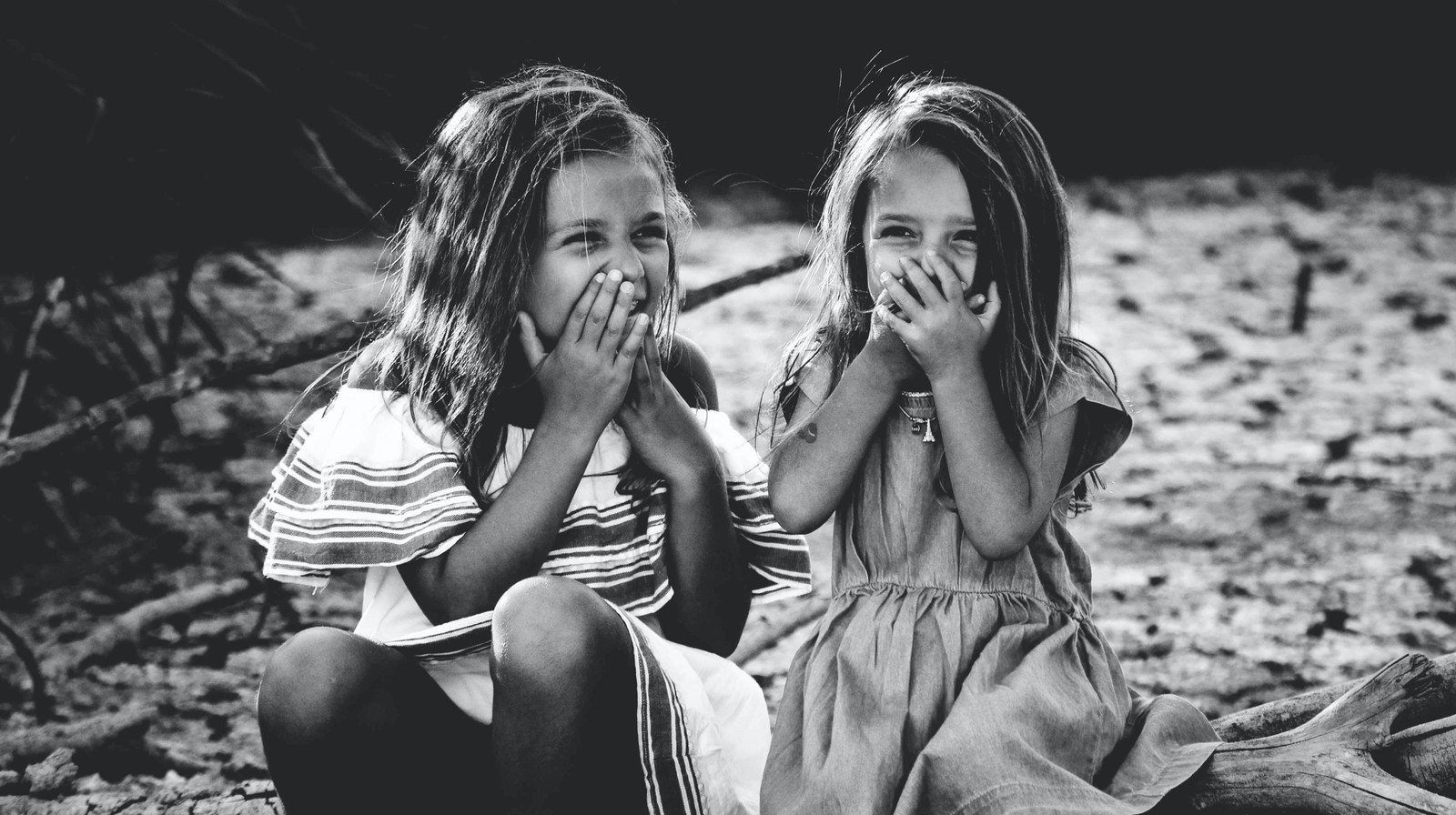
So I suggest a simple New Year’s resolution: let’s connect.
I will obviously apply this suggestion to myself and invite people with different backgrounds from mine, once a month over lunch, for a (hopefully respectful) argument. The idea is to listen (and be ready to change one’s mind!) and explore areas of mutual aid.
What about you? Do you have ideas of small steps you could take to enlarge your community? Please share in the comments! And by the way, if you disagree and think I am crazy, please also comment! Polite and respectful disagreements will help us all build a shared understanding to move our world forward.
As usual, this letter, originally published on LinkedIn, is meant to open a discussion: join it here.
Lenny Kessler